Firsthand Calligraphy Font for Web Design
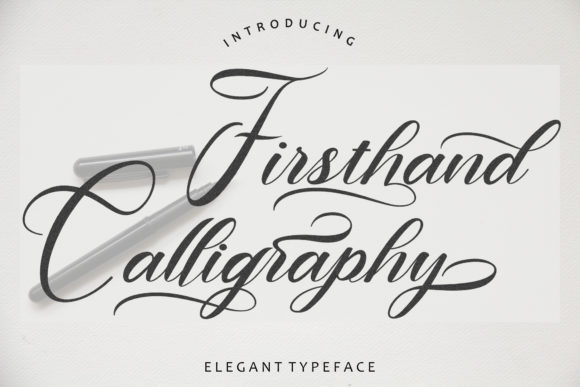
As a web designer, choosing the right typeface can transform a layout from ordinary to extraordinary. Firsthand Calligraphy is a standout script font that brings a personal, elegant touch to digital projects. Its flowing strokes and soft curves make it ideal for creating visual interest in headers, logos, and decorative elements without sacrificing readability.
This handwritten font has a warm, inviting personality that works well for brands aiming to convey creativity, sophistication, or intimacy. Whether you're designing a portfolio site, an online store, or a marketing landing page, Firsthand Calligraphy adds a unique flair that sets your design apart.
Using Firsthand Calligraphy in Web Layouts
Firsthand Calligraphy excels in display roles where visual impact matters most. It’s perfect for hero sections, call-to-action buttons, and section headings that need to capture attention. The font’s organic flow makes it ideal for short phrases like “Welcome,” “Join Us,” or “Discover More.”
In a creative portfolio, this font can be used for project titles or taglines, giving each piece a personal, handcrafted feel. For a boutique online store, it can appear on banners or product headlines, adding a touch of elegance that aligns with the brand’s aesthetic.
On coaching websites or course sales pages, Firsthand Calligraphy can be used for headlines that emphasize inspiration and transformation. Its expressive style helps reinforce the message while maintaining a clean, professional look.
Readability and Visual Hierarchy
While Firsthand Calligraphy is a decorative script, it remains readable at larger sizes, making it suitable for headlines and short text blocks. However, it’s not recommended for body copy due to its intricate details, which can reduce legibility on small screens or low-resolution displays.
When using this font in responsive designs, ensure it scales appropriately across devices. On mobile, keep text sizes above 18px for optimal readability. Pairing it with a sans serif or serif font for body text can help maintain balance and clarity.
For dark backgrounds or image overlays, consider using a lighter weight of the font or adjusting the contrast to avoid visual strain. In light mode, the font’s natural warmth enhances the overall tone of the design.
Brand Identity and User Engagement
Firsthand Calligraphy contributes to a strong brand identity by adding a human, authentic feel to digital experiences. It works well for brands targeting creative industries, lifestyle products, or services that value artistry and personal connection.
Its use in logos or branding assets can create a memorable impression, reinforcing the brand’s voice and values. When paired with a more neutral typeface, it helps establish a clear visual hierarchy that guides users through the content effectively.
Engagement increases when typography aligns with the brand’s message. A wedding planner’s website, for example, can use Firsthand Calligraphy in headlines to evoke romance and elegance, while a tech startup might use it sparingly for a modern, artistic twist.
Font Pairing and Design Integration
Pairing Firsthand Calligraphy with a simple sans serif or serif font creates a balanced, professional look. For a clean, modern feel, combine it with a sans serif like Open Sans or Roboto. For an editorial or print-inspired vibe, pair it with a serif font such as Georgia or Playfair Display.
In digital ads or social media graphics, the font can be used for captions or taglines to add a personal, handwritten touch. It also works well in email newsletters, where its expressive style can make subject lines and headlines more engaging.
When integrating this font into a design system, consider including alternate characters or ligatures for a more refined appearance. Check the available weights and styles to ensure flexibility across different design needs.
Commercial Use and Licensing
Before using Firsthand Calligraphy in commercial projects, verify the licensing terms. Most fonts allow for web embedding and digital use, but it’s important to confirm whether the license covers client projects, online stores, or digital templates.
For web designers working on client sites, ensure that the font license permits distribution or embedding on multiple domains. If the font is part of a digital product or template, check if the license allows resale or redistribution.
Always include proper attribution if required by the font’s license. This ensures compliance and respects the creator’s work while maintaining the integrity of your design.
Whether you’re building a personal blog, launching an e-commerce site, or crafting a brand identity, Firsthand Calligraphy offers a versatile, stylish solution that elevates your digital presence. Its combination of beauty and functionality makes it a valuable addition to any designer’s toolkit.